

What to Wear Under a Wetsuit for Surfing
Layering, fabrics, fit and comfort tips so you stay warm, chafe-free and happy from the first paddle-out to the last wave.
You bought the wetsuit, you checked the surf report, and then you hit the parking lot and froze: what are you supposed to wear under this thing? It is one of the most common questions new surfers ask, and the honest answer is that it depends on your wetsuit, the water temperature, your body and even how you feel about changing at the beach. This guide walks through every option so you can pick a setup that keeps you warm, protects your skin and lets you focus on the waves.
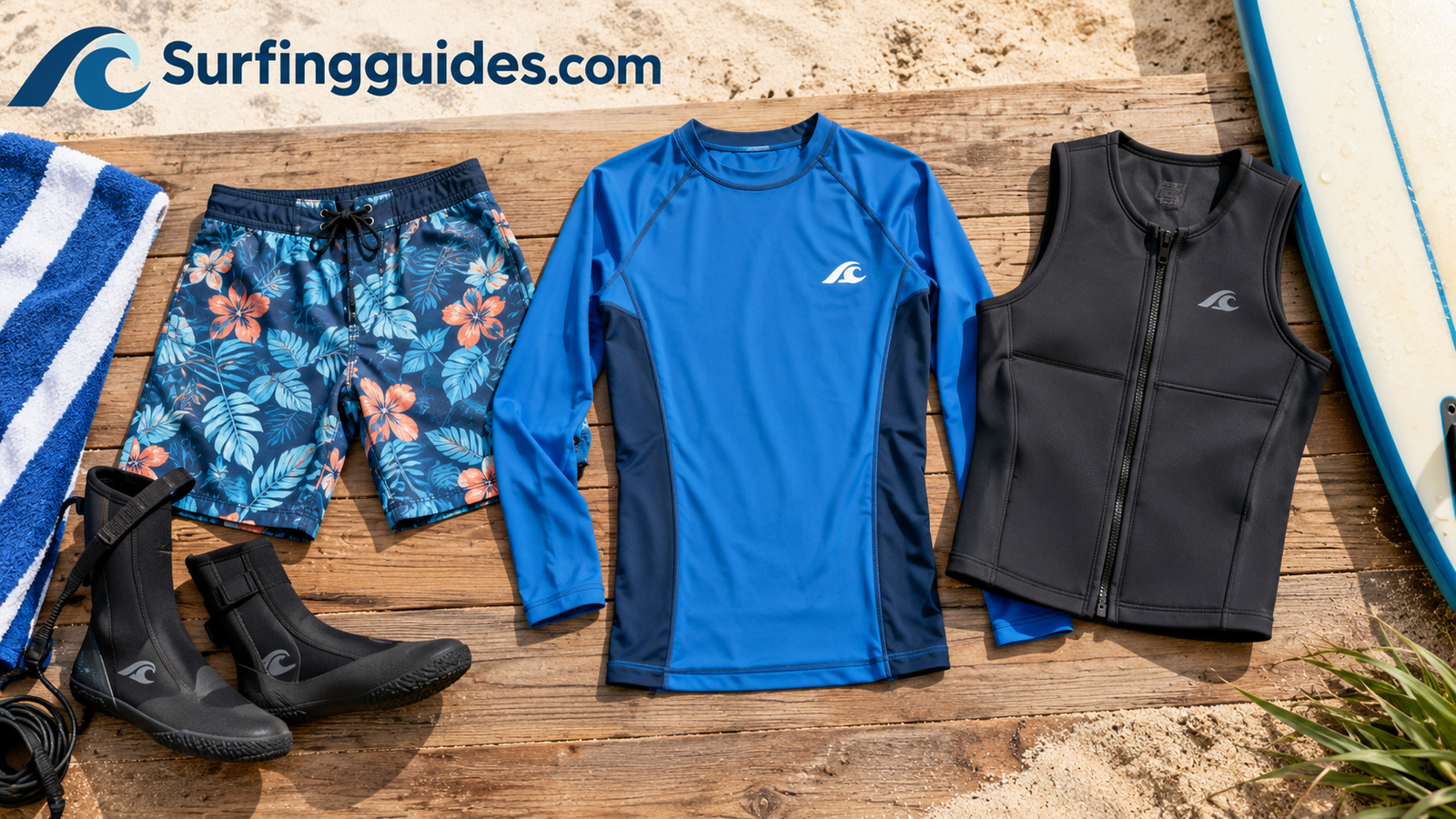
1. Why What You Wear Underneath Matters
A wetsuit works by trapping a thin layer of water between the neoprene and your skin. Your body warms that water, and the closed-cell rubber slows the heat from escaping. When the fit is right and the layer beneath is sensible, the suit feels like a second skin. When the layer beneath is wrong, you notice it within minutes: a bunched seam rubs your ribs, a cotton shirt becomes a cold wet sponge, a loose bikini tie drags a sore line across your back.
What you put under the suit therefore plays three jobs at once. It manages warmth, because some fabrics add insulation and others steal it. It manages friction, because paddling is thousands of repeated arm movements and every seam, zipper and neoprene edge is a potential rub point. And it manages comfort and modesty, because getting in and out of a clinging, wet suit is much easier when you already have something on that slides well.
Most of the time the choice is not complicated. New surfers often overthink it, buy three specialty garments they do not need, then discover that a plain swimsuit and a well-fitting suit would have done the job. Others make the opposite mistake and show up in cotton underwear, which is about the worst option you could pick. The goal here is to help you land in the sensible middle.
If you are still working out the bigger picture of kit, our guide on what you need for surfing covers the whole starter list, and this article zooms in on the layer that sits closest to your skin.
Find comfortable swim and surf base layers.
Shop Surf Base Layers on Amazon2. The Quick Answer: What Most Surfers Wear
If you only read one section, make it this one. For the majority of surfers in the majority of conditions, the answer is a snug swimsuit, with an optional thin rash guard or lycra layer on top of it. Underwear is not required, and plain cotton underwear should be avoided entirely.
- Warm to mild water: a swimsuit, bikini or snug swim shorts. Add a thin rash guard if your wetsuit rubs.
- Cool water: swimsuit plus a long-sleeve rash guard or a light thermal top.
- Cold water: swimsuit plus a thermal or fleece-lined base layer, and possibly a neoprene vest, with boots, gloves and a hood outside.
- Very cold water: a full thermal layering system, ideally under a thicker suit with sealed seams.
| Situation | Best Layer Underneath | Main Benefit |
|---|---|---|
| Warm day, thin suit | Swimsuit or snug trunks | Easy on and off, dries fast |
| Suit rubs on neck or arms | Short or long sleeve rash guard | Reduces friction and rash |
| Chilly morning session | Light thermal top | Adds warmth without bulk |
| Cold winter water | Thermal base layer or neoprene vest | Extra insulation on your core |
| Rented or shared suit | Full-coverage swim layer | Hygiene barrier between you and the suit |
Notice that none of these combinations involve a stack of random clothes. A wetsuit is engineered to sit close to your body, so each extra layer should earn its place by solving a specific problem, whether that is warmth, friction or hygiene.
Get set with a reliable swimsuit or rash guard.
Browse Surf Swimwear on Amazon3. Swimsuits, Bikinis and Board Shorts Under a Wetsuit
Swimwear is the standard answer for good reason. It is designed to get wet, it dries quickly, and it takes up almost no space under the neoprene. The trick is picking pieces that stay put and do not create lumps.
For women
A one-piece swimsuit is the easiest option. It stays in place while you paddle and duck dive, and there are no ties or clasps to dig into your back against the suit lining. Look for a flat, thin fabric with minimal hardware. If you prefer a bikini, choose a sporty style with a secure fit and avoid string ties at the back or neck, because knots become pressure points when you lie on your board or press against the suit’s inner lining. Metal rings, beads and decorative trims are best saved for lunch on the sand.
For men
Many men go with snug swim briefs or compression-style swim shorts. Loose board shorts under a wetsuit are a common mistake because the fabric bunches at the thigh and groin and can chafe badly after a couple of hours. If you like the extra coverage, pick a short that sits close to the leg and has a flat waistband without stiff drawstrings.
Pros of Swimwear Only
- Fast drying
- Minimal bulk
- Simple to change in and out of
- Inexpensive
Cons of Swimwear Only
- No extra warmth
- Little protection against neck or arm rub
- Hardware can dig in
Beginners often ask whether a bikini or trunks is enough on its own. In most mild water it is. If you find that you are getting cold or sore, move up to a base layer rather than swapping suits. And if you are putting together an outfit for the whole day around the beach, you might also like our breakdown of what to wear surfing, which covers what goes over and around the wetsuit as well.
Shop secure-fit surf swimwear.
View Swimwear Options on Amazon4. Rash Guards and Base Layers Under a Wetsuit
A rash guard is a stretchy, snug top made from nylon or polyester blended with elastane. It was born for sun and board protection, but it has become the favorite layer under a wetsuit for another reason: it cuts friction. The slick fabric lets neoprene glide across your skin rather than grip it, which matters most around the neck, armpits and ribs.
Why surfers like them
Wetsuit collars are often the first place to chafe. A rash guard with a flat neckline creates a smooth barrier between collar and skin. It also helps if you have sensitive skin or react to the lining of certain suits, because the fabric reduces direct contact with the material and its adhesive seams. A rash guard also makes it far easier to peel the suit off after a session, since wet neoprene slides over lycra much better than over bare skin.
Short sleeve vs. long sleeve
Short sleeves are enough if the main problem is the torso and neck. Long sleeves help with the forearms and add a little warmth. For summer in a spring suit, many surfers prefer a sleeveless or short-sleeve version so the rash guard does not make the suit feel tight in the shoulders.
What to look for
- Flat-lock or bonded seams so you do not add more friction points.
- Snug but not restrictive fit that moves with your shoulders.
- Quick-dry fabric that does not hold seawater.
- Sun protection rating if you will take the suit off between sessions.
Pick a flatlock rash guard that glides under neoprene.
Shop Rash Guards on Amazon5. Going Bare vs. Wearing Something Underneath
Many experienced surfers wear nothing under their wetsuit at all, especially in good-quality suits that have a smooth lining. It is a practical tradition: wet swimwear can feel clammy against skin, and in a snug suit some people feel less constrained with nothing in the way. Others, particularly those who surf from a shared changing area or a busy car park, would rather keep a layer on for peace of mind.
When going bare makes sense
Going without anything works best when your wetsuit fits well, the water is mild, and the suit is your own. A lined suit with a soft interior is more comfortable against bare skin, and it dries faster without a second layer holding water. You also avoid awkward lumps at the seams.
When you should wear something
There are several situations where wearing a layer wins:
- Rental or borrowed suits. A layer protects you and everyone who uses the suit after you. Wearing a hygiene layer is also kinder to the suit’s lifespan.
- Sensitive skin. Some neoprene and adhesives irritate people, and a barrier helps.
- Long sessions. The more you paddle, the more friction matters.
- Changing in public. Having a swimsuit on makes the whole process easier and more relaxed.
Pros of Going Bare
- Less bulk
- Faster drying suit
- Smooth lining against skin
Cons of Going Bare
- Hygiene concerns in shared suits
- Less privacy when changing
- More direct contact with seams
There is no wrong answer here, only what works for your comfort and your suit. If you are curious how much you might spend on a suit that feels good against the skin, take a look at how much a wetsuit for surfing costs to see how price lines up with lining and fit.
Protect your suit and skin with a simple layer.
Shop Lycra Layers on Amazon6. Thermal and Neoprene Layers for Cold Water
Once the water drops into the cold range, a swimsuit alone stops being enough. A thicker wetsuit does the heavy lifting, but a thermal layer underneath can make the difference between a session that lasts forty minutes and one that lasts two hours.
Thermal rash guards and base layers
These tops are made from brushed or fleece-style fabrics that trap warmth while wicking water away from the skin. They are thinner than neoprene, so they do not add much bulk, and they feel noticeably warmer than a standard rash guard. Many have a stretchy, close cut so they stay put under a hooded suit.
Neoprene vests and shorties
A thin neoprene vest, often 1mm to 2mm, adds core warmth where you need it most. Pairing a vest with a full suit gives you extra insulation around your chest and back, which helps your body keep its vital organs warm. Some surfers also wear a neoprene short-leg layer or thin leggings beneath a full suit in the coldest months.
Hooded vests
If your wetsuit has no hood, a hooded vest is a flexible solution. It lets you add head coverage in winter and remove it as the water warms. A hood is one of the best ways to stay warm, because much heat escapes through your head and neck, and it can reduce the dreaded ice-cream headache from cold water rushing over your ears.
Add core warmth for cold-water sessions.
Shop Thermal Surf Layers on Amazon7. What to Wear Under a Wetsuit by Water Temperature
Water temperature is the single biggest factor in how you should layer. As a rule of thumb, the colder it gets, the more you rely on insulation and the less you can get away with going bare. The ranges below are rough guides, because individual tolerance, wind, air temperature and session length all shift the picture.
| Water Temperature | Typical Wetsuit | Under the Suit |
|---|---|---|
| Above roughly 24°C / 75°F | Spring suit or no suit | Swimsuit, rash guard for sun and rub |
| Roughly 20–24°C / 68–75°F | 2mm shorty or thin full suit | Swimsuit; optional light rash guard |
| Roughly 16–20°C / 61–68°F | 3/2mm full suit | Swimsuit plus rash guard or light thermal |
| Roughly 12–16°C / 54–61°F | 4/3mm full suit, boots | Thermal top, swimsuit, optional vest |
| Roughly 8–12°C / 46–54°F | 5/4mm hooded suit, boots, gloves | Thermal base layer plus neoprene vest |
| Below roughly 8°C / 46°F | 6/5mm hooded suit with sealed seams | Full thermal system, hooded vest |
Think about wind and air temperature too
A windy, cold beach morning can make a mild day feel brutal, especially during the wait between sets. Water temperature tells you what happens during the session, but wind chill tells you what happens when you get out. If you tend to get cold after the session, add a base layer even if the water is only cool.
Think about how long you will be out
A quick forty-minute dawn patrol is different from a three-hour winter session. The longer you stay in, the more heat you lose, so extra insulation pays off. It is far easier to add a thin layer you might not need than to cut your session short because you are shaking.
Tides also change how a session feels, because you may be paddling more or sitting still longer depending on the break. If you are planning around the water, read what tide is best for surfing to line up your timing with the conditions.
Match your layers to your water temperature.
Find Thermal Rash Guards on Amazon8. Fabrics That Work and Fabrics to Skip
The fabric next to your skin matters as much as the layer type. Surfing is a wet activity, so the material needs to behave well when soaked.
Fabrics that work
- Nylon and elastane blends. Smooth, stretchy and quick drying. These are the standard for swimwear and rash guards.
- Polyester blends. Durable, resist chlorine and salt, and keep their shape. Many thermal tops use brushed polyester.
- Merino wool blends. Insulate even when damp and resist odor, which makes them a favorite for cold-weather base layers worn before and after the session.
- Thin neoprene. Adds real insulation for cold water and sits flat under a full suit when cut properly.
Fabrics to skip
- Cotton. It absorbs water, stays wet, and pulls heat away from your body. A wet cotton layer under a wetsuit is cold, heavy and likely to chafe.
- Denim or thick synthetics. These add bulk and drag and do not belong in the water.
- Loose, baggy knits. They bunch up and create friction.
| Fabric | Warmth When Wet | Dry Time | Best Use |
|---|---|---|---|
| Nylon / elastane | Low | Fast | Swimwear, rash guards |
| Polyester fleece | Moderate | Fast | Thermal base layers |
| Merino blend | Moderate to high | Medium | Cold-weather base layers |
| Thin neoprene | High | Medium | Vests, cold-water layering |
| Cotton | Very low | Very slow | Avoid in the water |
Choose quick-dry, wetsuit-friendly fabrics.
See Quick-Dry Gear on Amazon9. Preventing Chafing and Wetsuit Rash
If you have surfed long enough in a wetsuit, you know the telltale red line around your neck or under your arms. This is wetsuit rash, and it is caused by repeated friction between wet skin, salt, sand and neoprene. It is easy to prevent once you know where it comes from.
Common trouble spots
- Neck and collarbone, where the collar rubs during paddling.
- Armpits and inner arms, where seams meet.
- Ribs and lower back, especially if the suit rides up.
- Inner thighs and groin, where trunks or seams rub.
- Behind the knees and ankles, where the suit bunches.
Ways to prevent it
- Wear a smooth layer. A rash guard or lycra top reduces direct contact with the neoprene.
- Use anti-chafe balm. A silicone or wax-based balm applied to the usual hot spots creates a glide layer. Choose a product designed for neoprene and salt water.
- Rinse your suit. Salt and sand build up inside the suit and act like sandpaper. Rinse with fresh water after each session.
- Keep the fit right. A suit that is too loose lets water flush and the neoprene slide, while one that is too tight pinches. Aim for snug without compression.
- Check your underlayer. Seams, tags and clasps are all potential rubbing points. Cut tags and choose flat seams.
Chafing often appears more on beginners because they are paddling in an inefficient style, using bigger arm movements, and thrashing around more. If you are just getting started, our how to start surfing guide will help you build technique that is easier on both your body and your suit.
Stop chafing before it starts.
Shop Anti-Chafe Balm on Amazon10. Fit, Sizing and Getting Your Layers On
A wetsuit should feel snug across the chest, shoulders and thighs, with no big gaps at the lower back or armpits. The layers beneath it change that equation slightly, so it helps to test your whole setup together rather than trying on the suit in isolation.
Try the suit with your underlayer
If you plan to wear a rash guard or thermal layer, wear it when you try on the suit. A thick thermal can make a suit feel one size smaller, while a light rash guard barely changes anything. If you are between sizes, think about whether you will wear the thermal often. Pick the size that suits your most common conditions.
Putting it all on
- Start with your swimsuit or base layer on dry skin, ideally in a warm place.
- Put your feet into the suit one at a time, working the neoprene up over the ankles without tugging on the seams.
- Smooth the legs up toward the hips, adjusting the crotch so it sits snugly.
- Slide the arms in and work the fabric up over the shoulders, using the flats of your hands rather than your fingertips so you do not tear the lining.
- Pull the zipper cord up gently. Ask for help if you can’t reach.
- Do a few arm circles and a deep squat to check mobility before you head out.
If you are still deciding how much to spend or whether to size up or down, remember that a well-fitting suit beats a pricey one that doesn’t fit. The best layering plan in the world will not rescue a suit that is too big and floods with water.
Make getting dressed for the surf easier.
Shop Surf Changing Gear on Amazon11. Hygiene, Care and Changing at the Beach
Whatever you wear under the suit, you also need a plan for getting out of it. Wet, cold and sandy is a bad combination, and it is the moment people most often wish they had planned better.
Changing without stress
A changing poncho or large towel lets you swap layers discreetly while staying warm. A changing mat is also useful, since it keeps your feet clean and gives you a place to drop your wet suit. If you wear a swimsuit under your wetsuit, you can often just peel the suit down, towel off and put a dry layer over the top without fuss.
Rinse and dry the right way
- Rinse the suit inside and out with fresh water after every session.
- Hang it by the waist or over a wide hanger rather than by the shoulders, which stretches the neoprene.
- Dry it in the shade, because direct sun and heat degrade rubber.
- Wash your swimwear and rash guards regularly, using a gentle wash and cool water, and let them air dry.
Deal with odor
If your suit starts to smell, use a wetsuit-specific shampoo rather than household detergent, which can break down neoprene. A clean base layer also reduces odor because it keeps sweat and body oils off the suit lining.
Warm up afterward
Have a warm drink, a dry hooded sweatshirt and dry socks waiting in the car. Cold hands and feet make everything feel harder, and a warm change makes the next session something you look forward to.
Keep your suit fresh and your changes easy.
Shop Wetsuit Care on Amazon12. Common Mistakes and a Packing Checklist
Mistakes surfers make under a wetsuit
- Wearing cotton. Underwear, T-shirts and cotton sports bras all soak up water and chill you.
- Choosing loose board shorts. They bunch and rub, and they are bulky inside the suit.
- Over-layering. Too many layers restrict movement and make paddling tiring.
- Ignoring hardware. Clasps, zippers, rings and tie knots dig in when you lie on your board.
- Skipping the rinse. Salt and sand are the real cause of many rashes.
- Forgetting the extras. Warm layers matter, but so do boots, gloves and a hood in cold water, and a camera if you want to record your sessions, such as the ones in our guide to the best action camera for surfing.
Under-wetsuit packing checklist
| Item | When You Need It |
|---|---|
| Snug swimsuit or trunks | Every session |
| Rash guard | When friction or sun protection is a concern |
| Thermal base layer | Cool to cold water |
| Neoprene vest | Cold water, extra core warmth |
| Anti-chafe balm | Long sessions or sensitive skin |
| Changing poncho or towel | After every session |
| Dry layers and warm drink | Cold days |
| Wetsuit shampoo and hanger | For after-surf care |
Getting your layers right takes a little experimenting. Keep a quick note on what you wore and how you felt, so by the time winter swells show up you will have a tested formula for every water temperature you surf in.
Complete your under-wetsuit kit.
Shop Surf Essentials on AmazonFrequently Asked Questions
1. What do you wear under a wetsuit for surfing?
Most surfers wear a snug swimsuit, bikini or fitted trunks. In cooler water, a rash guard or thermal top goes on top of that for extra warmth and less friction. Cotton should be avoided because it holds water and chills you.
2. Do you have to wear anything under a wetsuit?
No, wearing nothing is common and works well in a suit that fits and has a soft lining. A layer is still smart in rental suits, for sensitive skin, or when you will be changing in a public spot.
3. Can you wear underwear under a wetsuit?
You can, but it is best to choose quick-drying synthetic underwear designed for sport. Plain cotton underwear absorbs water, becomes cold and can chafe, so most surfers go with swimwear instead.
4. Should I wear a rash guard under my wetsuit?
It is a good idea if your suit rubs your neck, arms or ribs. A rash guard helps the neoprene glide, reduces rashes and makes the suit easier to remove.
5. What should women wear under a wetsuit?
A one-piece swimsuit or a sporty bikini with no hardware on the back works well. Many women also add a rash guard or thermal top in cooler water, and a sports-style swim top gives more support than a regular bikini.
6. What should men wear under a wetsuit?
Fitted swim briefs or compression swim shorts are the usual choice. Baggy board shorts bunch up and cause chafing, so keep the cut close to the body.
7. What do you wear under a wetsuit in cold water?
Layer a thermal or fleece-lined top over your swimsuit, and consider a thin neoprene vest for the core. Pair these with a thick hooded wetsuit, boots and gloves. Our cold water wetsuit guide goes deeper on the suit itself.
8. Why do I get rashes from my wetsuit?
Rashes happen when salt, sand and neoprene rub against wet skin over many repeated movements. A smooth base layer, anti-chafe balm, a properly fitted suit and regular rinsing can prevent most problems.
9. Is it okay to wear a bikini under a wetsuit?
Yes, as long as it is secure and free of beads, rings or thick ties. Choose a sporty style that stays flat when you lie on your board and paddle.
10. How tight should my wetsuit be with a layer underneath?
It should feel snug across the shoulders, chest and legs, with no loose pockets of fabric, but you should still be able to breathe and move your arms freely. Test the suit while wearing the layers you plan to use.
11. How do I keep warm after getting out of the water?
Change into dry layers as soon as you can, wear a hooded sweatshirt or changing poncho, and drink something warm. Keep your wet suit off the ground and avoid standing in the wind while you change.
12. Do I need a different layer for a rented wetsuit?
It is wise to wear a full swimsuit or a rash guard in a rental, since several people may have worn it before you. The layer acts as a hygiene barrier and also reduces friction on unfamiliar seams.
Conclusion: Keep It Simple, Keep It Snug
Choosing what to wear under a wetsuit does not have to be complicated. A snug swimsuit handles most sessions, a rash guard solves friction, and a thermal layer or neoprene vest steps in when the water gets cold. Skip the cotton, choose flat seams and minimal hardware, rinse your gear after every session, and test your setup before you rely on it for a long day in the water.
Once your base layers are sorted, the rest of the experience gets a lot more fun. You can spend your energy on reading waves, catching more of them and enjoying the ride instead of fighting a cold, itchy suit. Grab the pieces that suit your local conditions, and you will be set for whatever the ocean throws at you.
Ready to build your perfect surf layering kit?
Shop Surf Gear on Amazon