

Surf Gear Field Guide
Best Wetsuits for Surfing
Nine wetsuits tested against the questions that actually matter in the water — warmth, fit, flexibility, and how easy they are to live with after the session.
Why the Right Wetsuit Matters More Than Almost Any Other Surf Purchase
The ocean sets the dress code. Your wetsuit decides whether you enjoy it or endure it.
Surfing looks effortless from the beach. In the water, the thing that quietly decides whether you last twenty minutes or two hours is almost never the board. It is the wetsuit.
A wetsuit is not just clothing. It is a thermal system, a buoyancy aid, a rash barrier, and — when you are a beginner dragging yourself over the sand for the hundredth time — a suit of armor against scrapes and fatigue. Get it right and you forget you are wearing it. Get it wrong and you spend the entire session thinking about how cold your chest is, how tight your shoulders feel, or how much water is flushing down your back with every wave.
That is why we put this guide together. We looked at the wetsuits that surfers actually buy across the full range of conditions: tropical summer surf where a full suit would cook you, shoulder-season water where a 3/2mm is the sweet spot, and genuinely cold lineups where a 5mm with proper seams is the difference between a real session and a shivering paddle out. Some are premium. Some are aggressively affordable. All of them earn a place on this list for a specific kind of surfer.
If you are completely new to the sport, it helps to know what you are getting into before you spend money. Our guides on how to start surfing and what muscles surfing works give you a grounded picture of the physical side of things — and yes, paddling in cold water burns through energy quickly, which is one more reason insulation matters more than most beginners expect.
Below, you will find a quick comparison table of every suit on this list, a full buying guide explaining thickness, seams, and zip styles, an honest individual review of each wetsuit, care advice that will extend the life of whatever you buy, and answers to the questions we hear most often from new surfers.
Ready to Browse?
See the full range of surfing wetsuits currently available on Amazon and compare fit options side by side.
Quick Comparison: Our Top Picks
Every wetsuit on this list is here for a reason. Use this table to narrow things down fast, then jump to the full review for whichever suit matches your conditions. Thickness numbers come straight from each product’s naming, and the rest reflects what each suit is genuinely designed to do.
Swipe to see more →
| # | Wetsuit | Key Specs | Verdict | Price |
|---|---|---|---|---|
| 1 |

Top Pick
O’Neill Hyperfreak 3/2+ Chest Zip
Best Overall
|
|
The suit you stop noticing after ten minutes — and that is the highest compliment in surfing. | Check Price on Amazon |
| 2 |

Aunua 5mm GBS Seams Wetsuit
Best for Cold Water
|
|
Serious insulation for surfers who paddle out when everyone else stays home. | Check Price on Amazon |
| 3 |

Lemorecn 3/2mm Full Wetsuit
Best Budget Full Suit
|
|
Proof that a genuinely usable full suit does not have to cost a fortune. | Check Price on Amazon |
| 4 |
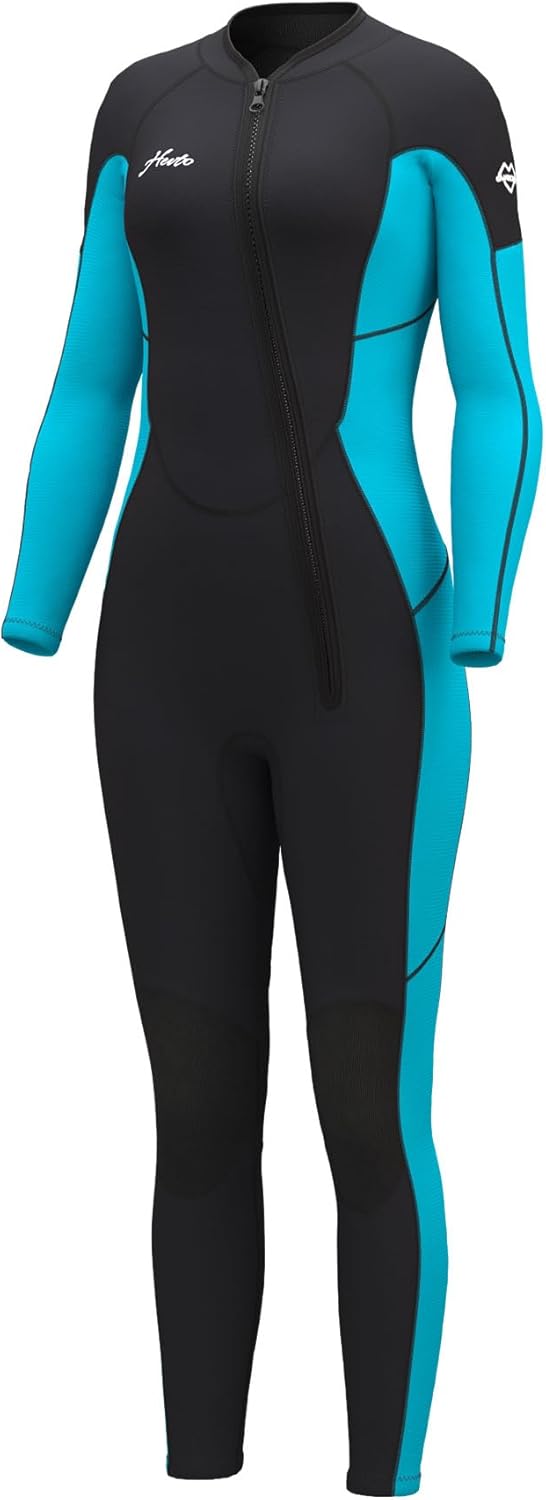
Hevto 3/2mm Front Zip Wetsuit
Best for Beginners
|
|
A straightforward suit that gets the fundamentals right without overcomplicating anything. | Check Price on Amazon |
| 5 |
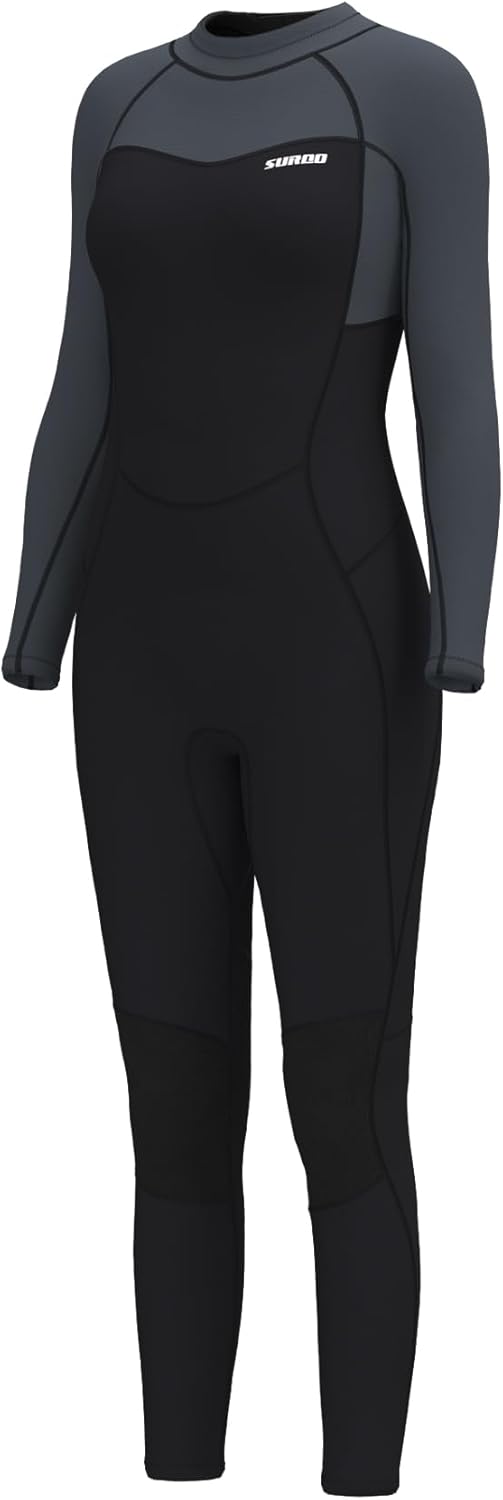
SURQO Women’s 3/2mm Plus Size
Best Women’s Plus Size
|
|
Finally, a suit graded for real bodies instead of scaled-up standard sizing. | Check Price on Amazon |
| 6 |

Owntop 5mm Neoprene Wetsuit
Best Cold-Water Value
|
|
Cold-water warmth without the cold-water price tag — a rare combination. | Check Price on Amazon |
| 7 |

XUKER Unisex 3mm Wetsuit
Best Unisex Pick
|
|
The house-share wetsuit — works across bodies, seasons, and water sports. | Check Price on Amazon |
| 8 |

ZCCO 1.5/3mm Shorty Wetsuit
Best for Tropical Surf
|
|
When the water is warm, less suit means more freedom — and more time in the sea. | Check Price on Amazon |
| 9 |

Seaskin Men’s 3mm Shorty
Best Men’s Shorty
|
|
A no-fuss summer suit for surfs, snorkel trips, and everything in between. | Check Price on Amazon |
Numbers like 3/2mm describe the neoprene thickness in millimeters across different body panels — typically the torso first, then the limbs. A 3/2mm suit has thicker core material for warmth and thinner arms and legs for paddling freedom. A shorty like the ZCCO 1.5/3mm applies the same idea to a cut with short arms and legs, built for warm water rather than insulation.
Compare Every Suit Yourself
Open the full category on Amazon to filter by thickness, size, and zip style while you read the reviews below.
How to Choose a Surfing Wetsuit: Thickness, Seams, Zips, and Fit
Before we get into individual suits, it is worth understanding the four variables that actually determine how a wetsuit performs. Nearly every complaint surfers have about a suit traces back to one of them. Miss on one and no amount of brand prestige will save your session.
Thickness: The First Decision
Wetsuit thickness is written as a pair of numbers, like 3/2mm. The first number describes the neoprene over your core — chest, back, and torso — while the second describes the limbs, where thinner material means easier paddling. A 5mm suit like the Aunua or Owntop prioritizes warmth above all else. A 3/2mm like the Lemorecn or Hevto is the all-round workhorse that suits the widest spread of conditions. A shorty like the ZCCO or Seaskin throws insulation out the window in favor of freedom, because in warm water that is the right trade to make.
The rule of thumb is simple: match the suit to the water, not to the air temperature. Sunny days in cool water still demand a real suit. If you are unsure which end of the spectrum you surf in, our guide to what to wear surfing walks through the full layering approach for every season.
Seams: Where Warmth Leaks Out
Cheaper suits use flatlock stitching, which is comfortable against the skin but allows a small amount of water to pass through the needle holes. Glued and blind stitched seams — the GBS construction you will see on the Aunua — glue the panels together before stitching partway through, so the needle never fully penetrates the neoprene. The result is dramatically less water exchange and better warmth retention. On cold-water suits, seam quality matters almost as much as thickness.
Zip Style: Convenience Versus Flexibility
Entry systems decide how easy the suit is to put on and how much water it lets in during a wipeout. Here is how the three common styles compare.
Swipe to see more →
| Zip Style | Best For | Strengths | Trade-Offs |
|---|---|---|---|
| Back Zip | Beginners, easy on/off | Simplest entry, wide opening | Stiffer across the back, more flushing |
| Front / Chest Zip | Performance surfing | Free shoulder movement, less water entry | Takes practice to get in and out |
| Zipperless | Maximum stretch | Best flexibility and seal | Hardest entry, least forgiving fit |
The O’Neill Hyperfreak on this list uses a chest-zip entry, which is why it feels so free through the shoulders when you paddle. The Hevto’s front-zip design aims for a middle ground: easier entry than a chest zip, more flexibility than a traditional back zip. If you are still working out your preferences, a front or back zip is genuinely easier to live with while you learn.
Fit: The Make-or-Break Factor
A wetsuit should feel almost uncomfortably snug on land. Neoprene stretches when wet, and any slack becomes a pocket of cold water your body has to heat. Check three things: the neck seal should sit flush without gaping, the lower back should stay put when you raise your arms, and there should be no air pockets at the small of your back. If you are between sizes, most surfers size down rather than up.
Underneath the suit, what you wear matters too. Some surfers go with nothing at all, while others prefer a base layer for comfort and easier changing. Our breakdown of what to wear under a wetsuit covers the options, and pairing your suit with one of the best rash guards for surfing can prevent the chafing that ruins long sessions.
Wetsuit pricing spans an enormous range, and the jump from budget to premium usually buys you stretch, seam quality, and durability rather than raw warmth. If you want the full picture of what different tiers cost and what you actually gain, read our guide on how much a wetsuit for surfing costs before you set a budget.
Warm-Water Shorties at a Glance
Three of the suits on this list are shorties, built for tropical and summer surf. Here is how they stack up against each other.
Swipe to see more →
| # | Shorty | Thickness | Best For | Price |
|---|---|---|---|---|
| 1 |
ZCCO 1.5/3mm ShortyLightest Option
|
1.5/3 mm | Warmest water, snorkeling, casual surf | Check Price on Amazon |
| 2 |
Seaskin Men’s 3mm ShortyMen’s Fit
|
3 mm | Summer surf with slightly cooler water | Check Price on Amazon |
| 3 |
XUKER Unisex 3mmShared Use
|
3 mm | One suit for multiple riders | Check Price on Amazon |
Still Deciding on Thickness?
Filter Amazon’s wetsuit selection by millimeter rating and suit style to see exactly what fits your local water.
ZCCO 1.5/3mm Shorty Wetsuit: The Tropical Session Saver
ZCCO 1.5/3mm Shorty Wetsuit
A shorty wetsuit lives or dies on one idea: wearing as little as possible while still protecting your core. The ZCCO 1.5/3mm shorty executes that idea cleanly, with a lightweight cut that keeps the sun off your back, takes the sting out of board rash, and adds just enough thermal layer to keep an early-morning session comfortable when the water has not warmed up yet.
This is not a suit for cold water and it does not pretend to be. It is the suit you throw in the bag for a tropical trip, a summer day at a warm beach break, or an afternoon snorkel that turns into a surf when the wind fills in.
Check Price on AmazonKey Features
- 1.5/3mm thickness split — thinner material through the arms and legs for unrestricted movement, slightly more insulation over the core where it counts.
- Shorty cut — short sleeves and short legs keep you cool in warm water and make the suit far easier to get on than a full steamer.
- Lightweight neoprene — comfortable for long sessions when the sun is high and a full suit would be unbearable.
- Sun and rash protection — covers the torso where wetsuit rash and UV exposure hit hardest during paddling.
- Packable design — folds down small enough to live permanently in a travel bag or car boot.
What We Like
- Extremely easy to get in and out of
- Genuinely comfortable in warm water
- Versatile across surfing, snorkeling, and paddling
- Light enough that it never feels like a chore
Keep in Mind
- Not intended for cool or cold water
- Offers no leg protection from reef or rocks
- Shorties ride up more than full suits in big wipeouts
Warm-water surfers, holiday travelers, snorkelers who occasionally surf, and anyone surfing in water warm enough that a full suit would be a punishment rather than a help. If your sessions happen in board shorts weather but you still want core warmth and rash protection, this is the category to shop.
Planning a Warm-Water Trip?
Pair a shorty with the rest of your travel kit and you will never waste a session on gear you cannot wear.
O’Neill Hyperfreak 3/2+ Chest Zip: The Enthusiast’s All-Rounder
O’Neill Hyperfreak 3/2+ Chest Zip
There is a category of wetsuit you buy once and then stop thinking about. The O’Neill Hyperfreak 3/2+ chest zip lives there. O’Neill has been building wetsuits since the sport’s modern era began, and the Hyperfreak line represents their obsession with stretch — the quality that separates a suit that moves with you from a suit that fights you.
The chest-zip entry is the tell. This is a suit designed for surfers who paddle hard, duck dive often, and want nothing across the back restricting their pop-up. The “3/2+” designation signals O’Neill’s approach of tuning thickness panel by panel rather than applying a blunt uniform rating.
Check Price on AmazonKey Features
- Chest-zip entry — keeps the back panel uninterrupted for maximum paddle freedom and reduces the flushing that back-zip suits are prone to.
- 3/2+ mm thickness — a balanced thermal profile that covers the widest range of temperate surf conditions.
- High-stretch neoprene construction — the Hyperfreak line is built around pliable, movement-first material.
- Full suit coverage — complete arm and leg protection for wind, sun, and board contact.
- Surf-specific patterning — designed around the actual movements of paddling, duck diving, and popping up rather than generic watersports use.
What We Like
- Exceptional shoulder freedom for paddling
- Chest zip reduces cold-water flushing
- Premium build from an established surf brand
- One suit covers most temperate seasons
Keep in Mind
- Chest-zip entry takes some practice
- Sits at the premium end of the price spectrum
- Overkill if you only surf on warm holidays
What sets the Hyperfreak apart in the water is how quickly you forget about it. That sounds like faint praise until you have spent a session in a stiff suit where every paddle stroke reminds you of the material across your shoulders. The chest-zip design also changes how the suit handles a hold-down: instead of a zip track along the spine acting as a water channel, you get a sealed, low-profile entry that keeps the suit where it belongs. For surfers who want to work on their technique in the water — whether that is reading the lineup or improving how they paddle out through whitewater — the extra flexibility makes a measurable difference in fatigue.
Committed recreational surfers who surf regularly in temperate water and want a single suit that performs across spring, summer, and autumn. If you surf often enough that comfort compounds over dozens of sessions, this is the suit worth stretching your budget for.
Want Premium Flexibility?
Compare chest-zip wetsuits from the major surf brands and find the stretch level that matches your surfing.
Hevto 3/2mm Front Zip Wetsuit: The Easy On-Ramp
Hevto 3/2mm Front Zip Wetsuit
Your first wetsuit has a job that has nothing to do with performance: it has to make you want to go surfing again. That means easy entry, forgiving fit, and no fiddly hardware between you and the water. The Hevto 3/2mm front zip is built around exactly that philosophy.
A front-zip entry is a smart choice for learners. It gives you a wider opening than a chest zip, so the suit goes on without the wrestling match that puts beginners off, while still offering better flexibility than a traditional back-zip design. In a 3/2mm thickness, it is also the most versatile configuration for someone who has not yet settled on where and when they surf.
Check Price on AmazonKey Features
- 3/2mm thickness — the standard all-round rating for temperate surfing and the safest starting point for a first suit.
- Front-zip entry — a practical balance of easy on-and-off access and decent upper-body freedom.
- Full suit coverage — complete protection from wind chill, UV, and board rash while you build confidence.
- Forgiving cut — designed to fit a broad range of body shapes comfortably.
- Straightforward design — no unnecessary features to fuss with when you are already managing a board and a nervous system full of adrenaline.
What We Like
- Genuinely easy for first-timers to put on
- Versatile thickness across multiple seasons
- Encourages longer sessions without feeling cold
- Sensible entry point before investing in premium gear
Keep in Mind
- Less stretch than high-end surf-specific neoprene
- Front zips can admit some water in heavy wipeouts
- You may outgrow it as your surfing progresses
Beginners face a steep learning curve in surfing, and the gear should never add to it. A suit that goes on easily means more time in the water practicing the skills that actually matter — like learning how to pop up cleanly and timing your waves instead of shivering on the shoulder. The Hevto stays out of the way, which is precisely what a learner’s suit should do.
New surfers buying their first full suit, casual surfers who hit the water a handful of times a season, and anyone taking lessons who wants their own suit instead of renting. If you are early in your surfing journey and want something reliable without overthinking it, this is a confident choice.
Building Your First Surf Kit?
Start with an easy-entry full suit, then add booties, a rash guard, and a leash as your sessions get longer.
Lemorecn 3/2mm Full Wetsuit: Maximum Suit, Minimum Spend
Lemorecn 3/2mm Full Wetsuit
There is a persistent myth in surf culture that cheap wetsuits are a false economy. Sometimes that is true. Often it is not, and the Lemorecn 3/2mm full suit is the counter-argument: a suit that covers the essentials honestly and costs little enough that you can spend the savings on the things that actually get you into waves.
In a 3/2mm full-cut configuration, this is a genuinely useful suit for everyday temperate surfing. It will not match a top-tier suit on stretch or seam refinement, and it does not need to. It needs to keep you warm, stay together, and let you surf — and that is exactly where it focuses.
Check Price on AmazonKey Features
- 3/2mm thickness — the versatile middle weight that handles the broadest range of surf conditions.
- Full suit coverage — arms and legs fully covered for wind, sun, and reef protection.
- Flexible neoprene panels — designed to allow paddling movement without the stiffness of old-school budget suits.
- Practical construction — a no-nonsense build aimed at function rather than flash.
- Approachable price point — one of the most affordable ways into a proper full surfing wetsuit.
What We Like
- Outstanding value for a full suit
- Good thickness choice for mixed conditions
- Low-risk purchase for new or occasional surfers
- Works well as a travel or backup suit
Keep in Mind
- Less stretch than premium neoprene
- May need extra care to maximize lifespan
- Not aimed at genuinely cold-water surfing
The smart way to think about budget suits is in terms of cost per session. A suit that gets you into the water regularly delivers value regardless of its price bracket, and the Lemorecn makes the barrier to entry as low as it gets for a full suit. If you are still figuring out whether surfing is a lifelong obsession or an occasional weekend activity, spending conservatively and surfing more is the correct strategy. You can always upgrade later, and our guide to wetsuit pricing shows you exactly what the jump to premium tiers buys.
Budget-conscious surfers, students, occasional riders, and anyone who wants a reliable backup suit in the car. Also a smart pick for families kitting out multiple people at once.
Surfing on a Budget?
See the full range of affordable full suits and compare what each price tier actually delivers.
Aunua 5mm GBS Seams Wetsuit: Built for Cold-Water Dedication
Aunua 5mm GBS Seams Wetsuit
Cold-water surfing is a different sport. The waves are often better, the lineups quieter, and the physical demand higher — because your body is burning energy just staying warm. A suit like the Aunua 5mm with GBS seams is designed for exactly this reality, prioritizing insulation and water sealing over everything else.
The headline feature is the seam construction. GBS stands for glued and blind stitched: the neoprene panels are bonded together first, then stitched in a way that does not fully penetrate the material. Compare that with basic flatlock stitching on warm-water suits and the difference in water exchange is significant. Combined with 5mm neoprene, this is a suit built to trap a thin layer of water against your skin and let your body heat it.
Check Price on AmazonKey Features
- 5 mm neoprene thickness — serious insulation for cold water where a 3/2mm simply will not keep you comfortable.
- GBS seam construction — glued and blind stitched seams minimize water flushing through the panel joins.
- Full suit coverage — complete thermal envelope from neck to ankle.
- Warmth-first design — every element prioritizes heat retention for long, cold sessions.
- Durable build — designed for the repeated stretching and rinsing that cold-water surfers put their gear through.
What We Like
- Genuine cold-water capability
- GBS seams meaningfully reduce flushing
- Enables winter and early-morning sessions
- Strong warmth-to-value ratio
Keep in Mind
- Thicker suits mean less flexibility
- Can feel warm in mild summer water
- Heavier and slower to dry than thin suits
Anyone shopping in this category should also be thinking beyond the suit itself. In genuinely cold water, extremities lose heat first, and a 5mm suit paired with proper footwear transforms the experience. Our roundup of the best surfing booties covers the footwear side, and if you want to explore the full cold-water category including hoods and gloves, our guide to the best cold-water wetsuits for surfing goes deep on the whole system.
Cold-water surfers, winter warriors, early-morning regulars, and anyone surfing in regions where the water temperature demands real insulation year-round. If your local break is cold enough that visiting surfers look miserable, this is the class of suit you need.
Chasing Winter Swell?
Build a full cold-water system — suit, booties, and hood — and extend your surf season by months.
SURQO Women’s 3/2mm Plus Size Wetsuit: Fit That Actually Fits
SURQO Women’s 3/2mm Plus Size Wetsuit
One of the most persistent frustrations in surf gear is sizing. For years, many brands simply scaled their standard patterns up, producing suits that were longer in the body but not wider where it matters — leaving gaps at the lower back and tight, uncomfortable pressure points elsewhere. The SURQO women’s 3/2mm plus size suit is designed the other way around: graded for real body shapes from the start.
Fit is not a cosmetic issue in a wetsuit. A suit that gaps flushes cold water directly onto your skin, and one that pinches restricts your paddling and cuts sessions short. Getting the patterning right is the entire ballgame, and this suit makes that its central priority.
Check Price on AmazonKey Features
- Plus-size women’s patterning — cut and graded for fuller body shapes rather than scaled from standard sizing.
- 3/2mm thickness — the versatile all-round weight for temperate water and multi-season use.
- Full suit coverage — complete protection for long sessions in the sun and wind.
- Comfort-focused construction — designed to move with the body without binding at the shoulders or waist.
- Flattering, functional design — because feeling good in your suit genuinely affects how confidently you surf.
What We Like
- Sizing designed around real proportions
- Comfortable enough for extended sessions
- Versatile thickness for most conditions
- Removes one of the biggest barriers to entry in surfing
Keep in Mind
- Range may not cover every size bracket
- Not designed for cold-water surfing
- Fit is personal — always check sizing guidance carefully
There is a wider point here about access. Surfing has a reputation for being hard to break into, and gear that does not fit is one of the most fixable reasons people quit. A suit that seals properly and feels comfortable changes the whole experience — suddenly you are thinking about waves and positioning rather than tugging at a neck seal. If you are working out the rest of your setup as well, our guide on what to wear surfing covers every layer from the beach to the lineup.
Women who have struggled to find wetsuits graded for their body shape, surfers returning to the water after a break, and anyone who values comfort and confidence as much as raw specs. If suit fit has been the thing holding you back, this category is where to look first.
Find Your Exact Fit
Browse women’s wetsuits with full size ranges and compare measurements before you order.
Owntop 5mm Neoprene Wetsuit: Warmth Without the Premium Tax
Owntop 5mm Neoprene Wetsuit
Cold-water wetsuits occupy an awkward spot in the market: the ones that perform best tend to be expensive, and the cheap ones often cut corners exactly where cold-water surfers cannot afford it. The Owntop 5mm attempts a middle path — real 5mm insulation at a price that does not require a formal budgeting meeting.
The proposition is straightforward. Thick neoprene, full coverage, and a design that prioritizes keeping warm over shaving grams. For surfers who want to extend their season into colder months without committing to premium pricing, that is a genuinely useful niche.
Check Price on AmazonKey Features
- 5 mm neoprene build — substantial insulation across the core for genuinely cold sessions.
- Full suit coverage — complete arm and leg protection against wind chill and cold water.
- Warmth-first design — engineered around heat retention rather than competition-level flexibility.
- Practical construction — built for the realities of cold beach car parks and repeated changing.
- Accessible price point — one of the more affordable routes into thick, cold-water-ready neoprene.
What We Like
- Real 5mm insulation at a value price
- Opens up winter surfing without a huge spend
- Simple, dependable construction
- Strong choice as a dedicated cold-water suit
Keep in Mind
- Thicker suits restrict paddling more
- Takes longer to dry between sessions
- Overheated for mild-weather surfing
If you go the budget route for cold water, spend the money you save on the supporting cast. Cold hands and feet end more winter sessions than cold torsos do, and quality booties are the single biggest comfort upgrade you can make alongside a thick suit. Take a look at our picks for the best surfing booties and treat your extremities as part of the system, not an afterthought.
Cold-water surfers on a budget, weekend warriors extending their season into autumn and winter, and anyone buying a thick suit for occasional trips to chilly breaks rather than daily winter sessions.
Extend Your Season
Compare thick wetsuits built for cold water and find the warmth level your local break demands.
XUKER Unisex 3mm Wetsuit: The One-Suit Household
XUKER Unisex 3mm Wetsuit
Not everyone needs a personal quiver of wetsuits. Sometimes the smartest purchase is a single suit that works across different riders, different sports, and different seasons. The XUKER unisex 3mm is built for exactly that kind of flexibility, with sizing and patterning intended to suit a broad range of bodies.
A 3mm full suit is arguably the most useful single thickness you can own. It is warm enough for cool water, thin enough for warm-ish days, and versatile enough to cover surfing, snorkeling, kayaking, and paddle sports without feeling specialized in the wrong direction.
Check Price on AmazonKey Features
- 3 mm thickness — a single-weight design that covers the widest spread of mild-to-cool conditions.
- Unisex sizing — graded to fit a range of body types, ideal for shared use.
- Full suit coverage — complete protection for multiple watersports, not just surfing.
- All-round versatility — equally at home on a surfboard, a snorkel trip, or a paddle outing.
- Practical everyday build — made to be used often across different settings rather than optimized for one.
What We Like
- One suit covers multiple riders and activities
- Versatile thickness across seasons
- Sensible option for holiday and travel use
- Removes guesswork for first-time buyers
Keep in Mind
- Unisex fit is a compromise by design
- Not specialized for performance surfing
- Not enough insulation for deep winter
The unisex category makes particular sense for couples, families, and shared holiday houses where one suit has to serve several people. It is also a practical choice for surfers who split their time between sports — the same suit that covers your morning surf works for an afternoon on a paddleboard. If you are curating a complete kit around a versatile core piece, our checklist of what you need for surfing is the natural next read.
Couples and families sharing gear, multi-sport water enthusiasts, travelers who want one suit that does everything, and anyone who values versatility over specialization.
One Suit, Every Adventure
Explore unisex wetsuits that move easily between surfing, snorkeling, and paddle sports.
Seaskin Men’s 3mm Shorty Wetsuit: Summer Surf Uniform
Seaskin Men’s 3mm Shorty Wetsuit
When summer arrives and the water warms up, most surfers reach for the same thing: something that protects without cooking them. The Seaskin men’s 3mm shorty is exactly that piece — a short-arm, short-leg suit with enough core coverage to handle wind chill and early-morning sessions while keeping the limbs free.
Compared to the lighter ZCCO shorty, the Seaskin’s 3mm rating gives it slightly more thermal range, which makes it a better fit for coastal regions where the water warms slowly or where onshore wind drops the effective temperature quickly. The men’s-specific cut also means a fit shaped around broader shoulders and a straighter torso.
Check Price on AmazonKey Features
- 3 mm thickness — more core insulation than a typical tropical shorty, extending usable conditions.
- Shorty cut — short arms and legs for unrestricted paddling and quick drying.
- Men’s-specific fit — patterned around broader shoulders and straighter body lines.
- Quick on and off — ideal for fast sessions, beach changes, and multi-sport days.
- Compact and packable — easy to keep in the car for spontaneous evening surfs.
What We Like
- More versatile warmth than a thin tropical shorty
- Extremely quick to change in and out of
- Great core protection against wind and sun
- Comfortable for hours in the water
Keep in Mind
- Not suitable for cold-water surfing
- Exposed arms and legs mean more sun exposure
- Less effective in strong onshore wind
Shorties genuinely shine on long summer days where you are in and out of the water repeatedly — surfing a morning session, swimming with family, then paddling again at sunset. The Seaskin handles that rhythm well. Because your arms and legs are exposed, sun care matters more with this style of suit; a good routine with one of the best sunscreens for surfing keeps long beach days from ending with a burn.
Men surfing in warm-to-mild water, summer regulars who want core warmth without a full suit, and multi-sport beach users who surf, swim, and snorkel in the same day.
Summer Sessions Start Here
Find the shorty that matches your water temperature and make the most of warm-water season.
Wetsuit Care and Maintenance: Double the Life of Any Suit
Here is an uncomfortable truth about wetsuits: most of them die early from neglect rather than wear. Neoprene is remarkably durable when treated well and surprisingly fragile when treated badly. The good news is that proper care takes minutes and saves you real money, regardless of which suit on this list you choose.
Rinse After Every Single Session
Saltwater is the number one enemy of neoprene. As it dries, salt crystallizes inside the material, stiffening it and accelerating degradation of the fibers and seams. Chlorine from pools is worse. The fix is trivial: rinse the suit in cool fresh water after every session. Not hot water — heat breaks down neoprene. Hang it inside out for a while, then flip it to dry the outside.
Never Use a Washing Machine or Dryer
Agitation and heat are a wetsuit’s worst combination. Machine washing stretches seams and can tear panels, while dryers essentially cook the neoprene, leaving it brittle and cracked. If the suit needs deeper cleaning, use a dedicated wetsuit shampoo and soak it gently in cool water. This is the single most cost-effective accessory you can buy for your suit.
Dry It in the Shade, on a Wide Hanger
UV light degrades neoprene faster than almost anything else. Dry suits in shade, never in direct sunlight, and never over a thin wire hanger that distorts the shoulders. A broad plastic hanger or draping it over a rail keeps the shape intact. Dry the inside first — moisture left inside is how mildew starts.
Store It Flat or Fully Supported
For long-term storage, fold the suit loosely rather than cramming it into a tight bag, and keep it somewhere cool and dark. Avoid leaving it crumpled in a hot car boot between sessions; the heat and compression together will crease and crack the neoprene along the folds. And when you are changing on the beach, stand on a mat or towel rather than directly on gravel or asphalt — punctures from below are more common than people expect.
Looking after your suit is part of looking after yourself. Wetsuits help with buoyancy and thermal protection, but they do not make dangerous conditions safe. If you are evaluating risk in bigger surf or unfamiliar breaks, our honest look at whether surfing is dangerous is worth reading before you paddle out.
Protect Your Investment
Wetsuit shampoo, changing mats, and wide hangers cost less than a fraction of a replacement suit.
Matching Wetsuit Thickness to Water Temperature
The single most common wetsuit mistake we see is buying for the air temperature instead of the water. Water pulls heat away from your body roughly twenty-five times faster than air does, which is why a breezy day in mild water can feel far colder than a calm day in the same temperature. Your suit has to be chosen for what you are standing in, not what the forecast says.
Here is a practical framework. Use it as a starting point, then adjust for your own cold tolerance, how long you plan to stay in, and whether you run warm or cold as a person.
Swipe to see more →
| Water Feeling | Suit Style | Thickness Range | Example from This List |
|---|---|---|---|
| Truly warm, tropical | Shorty / springsuit | 1.5mm to 2mm | ZCCO 1.5/3mm Shorty |
| Warm with cooler mornings | Shorty or thin full suit | 2mm to 3mm | Seaskin 3mm Shorty |
| Mild to cool | Full suit | 3/2mm | O’Neill Hyperfreak 3/2+, Hevto, Lemorecn |
| Cool to cold | Thick full suit | 4/3mm to 5mm | Aunua 5mm, Owntop 5mm |
| Genuinely cold | Thick suit plus accessories | 5mm and above | Aunua or Owntop with booties and hood |
When to Go Thicker Than the Chart
Size up your thickness if you feel the cold acutely, if you surf long sessions, if you are surfing at dawn or dusk, or if the wind is strong and offshore. Wind chill over wet neoprene is brutal, and an extra millimeter of core thickness is far cheaper than cutting sessions short. Surfers heading into genuinely cold territory should explore our dedicated guide to the best cold-water wetsuits for surfing for a deeper dive.
Warm-Water Surfing Has Its Own Rules
In tropical water the risk is not cold — it is sun, dehydration, and reef cuts. Even a shorty leaves your forearms and calves exposed, and reflected light off the water doubles the UV load. Serious warm-water surfers treat sun protection as core gear: reef-safe sunscreen on every exposed patch, reapplied between sessions. Our guide to the best sunscreen for surfing covers what actually stays on in the water.
Layering: The Cheat Code
What you wear under a wetsuit can shift its effective warmth noticeably. A thin thermal top underneath extends a 3/2mm into cooler water than it would handle alone, and a rash guard prevents the chafing that thick suits can cause around the neck and underarms. Read our full guide to what to wear under a wetsuit and consider pairing your suit with one of the best rash guards for surfing for maximum comfort across long sessions.
Dial In Your Warmth
Shop by thickness to match your exact conditions — from tropical shorties to deep-winter steamers.
Frequently Asked Questions About Surfing Wetsuits
What thickness wetsuit do I need for surfing?
Match thickness to water temperature, not air temperature. For tropical water, a shorty or thin suit around 1.5mm to 2mm is plenty. For mild and cool water, a 3/2mm full suit like the Lemorecn or Hevto covers the widest range of conditions. For genuinely cold water, move up to 5mm with quality seams, like the Aunua or Owntop. If you are between categories, going slightly thicker is almost always the better mistake.
How should a wetsuit fit?
Snug enough that there are no air pockets at the lower back or behind the knees, but not so tight that it restricts your breathing or paddling. A new suit should feel slightly tight on land because neoprene softens and stretches when wet. Check the neck seal first — if it gaps, water will flush straight down your back. If you are between two sizes, most surfers size down.
What is the difference between a chest zip, front zip, and back zip wetsuit?
A back zip is the easiest to get on and off but is stiffer across the back and admits more water. A front zip improves flexibility and is a good middle ground for newer surfers — the Hevto on this list uses that approach. A chest zip, like the O’Neill Hyperfreak, keeps the back panel clear for maximum paddling freedom and flushes least, but takes some practice to enter and exit.
Can I surf in a shorty wetsuit?
Absolutely — in warm water, shorties are the ideal surf garment. Both the ZCCO 1.5/3mm shorty and the Seaskin men’s 3mm shorty are designed with surfing movement in mind, offering core warmth and rash protection while keeping your arms and legs free. Just know their limit: once the water cools or the wind picks up hard, exposed limbs lose heat fast and a full suit becomes the right call.
Is it worth buying a budget wetsuit as a beginner?
Yes, and it is often the smart move. Suits like the Lemorecn 3/2mm deliver genuine warmth and durability at accessible prices, letting you surf more while you work out what you actually need. Premium suits buy you stretch, seam refinement, and longevity — meaningful upgrades once you surf regularly, but not essential for your first season.
What do you wear under a wetsuit?
Some surfers wear nothing underneath, while others prefer a thin rash guard or swimwear for comfort and easier changing. The key is avoiding anything with zippers, buttons, or thick seams that can chafe or damage the neoprene. Our complete guide to what to wear under a wetsuit for surfing covers every option in detail.
How do I wash and store my wetsuit?
Rinse in cool fresh water after every session, soak occasionally with wetsuit shampoo, and dry in the shade on a wide hanger with the inside out first. Never use a washing machine, tumble dryer, or direct sunlight, and never leave it crumpled in a hot car. Store it flat or loosely folded in a cool, dark place. Care like this routinely doubles a suit’s working life.
How long does a wetsuit last?
It depends entirely on usage and care. A suit surfed a few times a month and rinsed properly can serve you for many seasons, while one surfed daily and left salt-crusted in the sun will break down far faster. The first things to wear are usually the seams and the neck seal, so watch those areas and rinse religiously.
Can I use one wetsuit for multiple water sports?
Definitely. Full suits like the XUKER unisex 3mm work equally well for surfing, snorkeling, kayaking, and paddle sports. The only real consideration is movement: performance surf suits prioritize shoulder flexibility, while general watersports suits may prioritize durability instead. For most recreational users, a versatile 3mm full suit does everything.
Do I need booties, a hood, or gloves with my wetsuit?
Only when the water is genuinely cold. Extremities lose heat first, so in chilly conditions booties make a bigger comfort difference than most people expect — often more than upgrading your suit. Pair a 5mm suit like the Aunua or Owntop with proper booties and, in the coldest months, a hood. Our surfing booties guide covers the options.
Should I rent or buy a wetsuit?
Renting makes sense for a handful of sessions or a single holiday. Once you are surfing regularly, owning pays for itself quickly and fits far better than rental stock. A rental suit that gaps at the neck or sags at the lower back will make you colder than a well-fitted budget suit of the same thickness, so fit matters more than the price bracket.
What is the easiest way to change on the beach?
Use a changing poncho or large towel, stand on a mat to protect the suit from sharp ground, and change while the suit is slightly damp — dry neoprene grips skin far more stubbornly. Rinse the suit as soon as you get home rather than leaving it in the bag, and everything about wetsuit ownership becomes easier.
Still Have Questions?
Browse customer questions and sizing discussions on Amazon for any suit on this list before you decide.
The Right Wetsuit Is the One That Gets You in the Water More Often
Every suit on this list is here because it solves a real problem for a real kind of surfer. The O’Neill Hyperfreak 3/2+ chest zip is the one to beat if you surf regularly and want a suit that disappears on your body. The Aunua 5mm and Owntop 5mm unlock cold water that would otherwise end your season. The Lemorecn and Hevto prove you do not need a big budget to stay warm and comfortable. The SURQO opens the door to surfers the industry has underserved for too long, and the ZCCO and Seaskin shorties make warm-water sessions effortless. The XUKER is the one suit that does a bit of everything for everyone.
Use the comparison table to shortlist, then trust the fit. Thickness decides warmth, seams decide sealing, and fit decides everything else. Get those three right and you will spend far less time thinking about your gear and far more time thinking about waves.
And once your suit is sorted, the rest of the puzzle falls into place faster. Make sure the rest of your kit is covered with our guide to what you need for surfing, and you will be ready for whatever the ocean throws at you.
Find Your Wetsuit on AmazonYou May Also Like
How Long Does It Take to Learn Surfing?
Honest timelines for your first pop-up, your first green wave, and the point where it all clicks.
Read the Guide → Reality CheckIs Surfing Hard?
What makes surfing challenging, what makes it easier, and how to stack the odds in your favor.
Read the Guide → FitnessHow Many Calories Does Surfing Burn?
Why paddling, cold water, and wave counts make surfing one of the best workouts going.
Read the Guide → PlanningHow Much Do Surfing Lessons Cost?
What to expect to pay, what is included, and how to judge whether lessons are worth it.
Read the Guide → Ocean KnowledgeWhat Tide Is Best for Surfing?
How tide shifts transform your local break and when to time your sessions for the best waves.
Read the Guide → Gear GuideBest Action Cameras for Surfing
Capture your sessions without worrying about the water, the wipeouts, or the salt.
Read the Guide →Disclosure: This page contains affiliate links. If you purchase through them, we may earn a commission at no extra cost to you. Product details reflect each wetsuit’s stated design category; always confirm sizing and specifications with the seller before ordering.